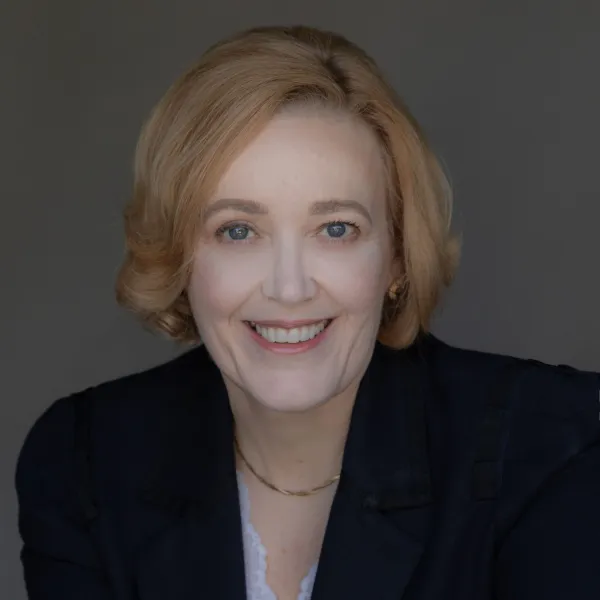
Mary Beth O'Connor
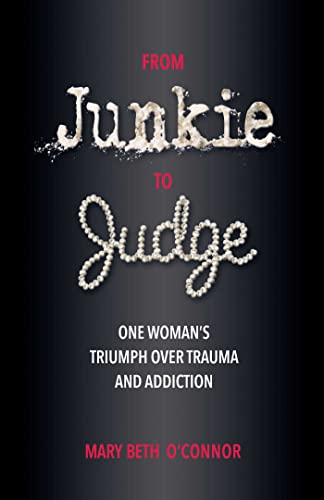
Openly Sober recently connected with Mary Beth O'Connor, author of the book From Junkie to Judge: One Woman's Triumph Over Trauma and Addiction, for a written interview about their journey to long-term sobriety. You can find them at junkietojudge.com.
Where did you grow up and what shaped who you are today?
I grew up in New Jersey, in a variety of living situations. This included being left with my great-grandmother for three years and then moving into the home of my stepfather.
The most positive influences were my teachers. I always excelled academically and received a lot of positive attention in school. I felt seen and valued for who I was.
My stepfather was the most negative influence. He was very violent with my mother, and physically and sexually violent with me. There wasn’t a close connection between what I did and what happened to me, which made me stressed, depressed, and anxious.
What was your life like before you got sober?
My first drug was alcohol, when I was 12. I quickly added in weed, pills, and hallucinogens. At 16, I found my favorite drug, methamphetamine. Within six months, at 17, I was shooting up. I didn’t get sober until I was 32.
By 32, I hadn’t been able to hold a job beyond a year, usually less, for a while. I was having physical problems from the meth, and felt hopeless, trapped, and debilitated. And my partner was ready to throw me out. All of this, in combination, made me finally say, “Maybe I should go to rehab."
When did you first realize you had a problem, and what finally led you to seek help?
I used to excess from the beginning. I had various accidents, vehicular and otherwise, put myself in dangerous situations, and overdosed. I knew I felt a strong need to use drugs by my mid-teens. Meth exacerbated this compulsion. At least by 15, drug-using friends began cautioning me about my drug use and related behaviors. These concerns also escalated with my increasing meth use. During my last decade of use, my ability to function declined further each year. Sometimes I would look in the mirror and yell, “You’re poisoning yourself,” and other times I was confused about why my life was such a mess.
How did you get sober?
I went to rehab for five months in 1993. I was told 12-step was the only way to get sober, but that was a poor fit for me. When I got home, I went to the library and found alternatives: Women for Sobriety, the parent to LifeRing Secular Recovery, and the parent to SMART. I attended all these programs and read all the books. I incorporated ideas from all of this into a personal recovery plan. This more self-empowerment-focused approach worked much better for me. I viewed it as my job to listen to suggestions and to read as much as I could about recovery. And I was the ultimate decision-maker about my recovery program. I filtered ideas, synthesized concepts, and adjusted my plan over time.
I also found a therapist with trauma expertise, with whom I worked for several years, and my partner and I went to couples’ counseling. I was on medication for my PTSD and very severe anxiety for several years as well.
What is your sobriety date, and have you had any relapses or setbacks along the way? If so, what did you learn from it?
I did use meth three times in my first five months of sobriety. I now have 32 years sober.
Like many, I was incapable of perfect abstinence from Day 1. After a decade of using most days, and years of using every day, three times in five months was a vast improvement. I had been using drugs to manage my pain, which rose to the surface when the drugs were removed. I also didn’t have the skills to manage my emotions in a healthy way. And I had to face the destruction I’d created in my life. I think using just a few times in those first months was a great success.
What does maintaining your recovery look like day-to-day now?
My sobriety hasn’t required attention for 29 of my 32 sober years. I want to emphasize this, as I think there’s too often a message that most people have to hyper-focus on staying sober for the rest of their lives. This is not true for most of the people I know with long-term sobriety.
I do still have some struggles with my PTSD and anxiety. After years of work, and for the 25 years after ending therapy, my symptoms improved in frequency and intensity. But I still am more anxious than most and can have disproportionate fears. My approach now is to recognize that these feelings arise from ancient history and aren’t accurate as to current events, and to remind myself that I can handle all challenges with which I’m faced. Sometimes this involves pain and struggle, but I have a strong record of addressing and resolving such issues.
What has surprised you most about recovery?
Until a few months into my recovery, drug and trauma, I didn’t know that healing from the numerous and varied abuses was possible. This is a big part of what kept me stuck in my addiction for 15 years. Working my way into a happy and productive life has been a joy. Building a loving and supportive relationship with my husband of 42 years, who recently passed away, was wondrous. Taking on new challenges professionally, and now in my retirement, has been rewarding. It was beyond my wildest imagination that I would be so happy, and in so many ways. And I certainly never thought I’d become a judge and published author!
Who are the most important people in your recovery journey?
My husband was the most important person in my recovery journey. By 1993, we’d been together nine years. My meth use disorder escalated from the low end of severe to severe to very severe during those years. Mostly very severe. My ability to function declined year by year. I wasn’t a good partner, and I created chaos. So, my then-partner, Doc, was on the very cusp of throwing me out. And I knew it. This was one of many reasons I finally went to rehab.
Doc participated in the family therapy offered by my rehab. He repeatedly said things like, “I think she’s burned all her bridges with me,” and “I think it’s too late to repair our relationship.” Still, he did let me move back home after rehab. And he watched me to see if I was doing the work needed to stay sober. After a couple of months, he agreed to go to couples counseling with me. And as I succeeded in my sobriety journey, along with making behavioral improvements as a result of this and my trauma therapy, his guard gradually dropped, and we were able to connect in a new and healthy way. He even married me at three years sober.
Doc’s support continued for the rest of his life. He always believed I was capable of taking the next step—in recovery, professionally, and in life. He supported me, encouraged me, and gave me the safe foundation that helped me take risks and move forward.
What have you accomplished in sobriety that wouldn't have been possible before, and how do you feel about your life today?
My first professional goal after rehab was “Let’s not get fired again.” I never thought I’d be able to attend Berkeley Law at six years sober or become a federal judge at twenty years sober. I never thought I could be a reliable spouse, friend, and family member. I didn’t know I could heal from the trauma damage and build a happy and productive life.
What advice would you give someone starting this journey to recovery?
Start where you are. If you aren’t 100% sure you want to be sober for the rest of your life, that’s OK. Ambivalence in early recovery is normal. If you aren’t capable of being 100% sober from day one, that’s OK. Most of us can’t, and I couldn’t. Do your best. Do a robust analysis of what you need to succeed, such as what type of treatment and which peer support group. Build a plan and implement it. Adjust the plan if it isn’t working as well as you’d like. And adjust the plan when you’ve had success and can now set new goals.
Work on whatever might be underneath your addiction, such as trauma, untreated mental health disorders, or a lack of emotional regulation skills. This will assist with your sobriety, but also be the foundation for a happier life more generally.
And be patient and persistent. Most of us want recovery to be faster and easier than is realistic. It’s amazing what you can accomplish through incremental improvements over time. This is true in recovery and in all areas of life.